


In Australia, spring runs from September to November. Choosing a hat during this season involves more than its appearance. Crown construction affects fit, fabric influences comfort, and brim coverage determines how much shade a hat provides.
Here are seven styles worth comparing before choosing your next cap or hat.

1. Washed Cotton Dad Caps
Best for: Everyday wear, relaxed styling and understated logos.




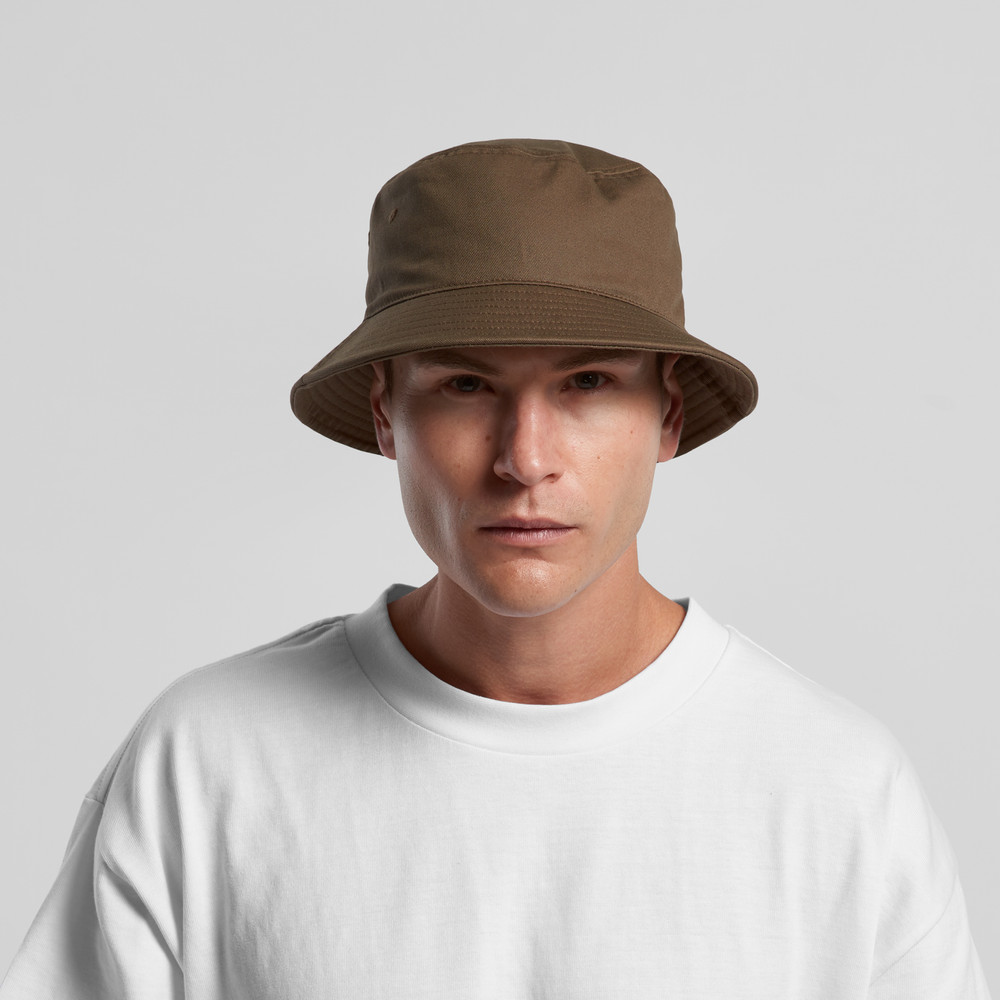
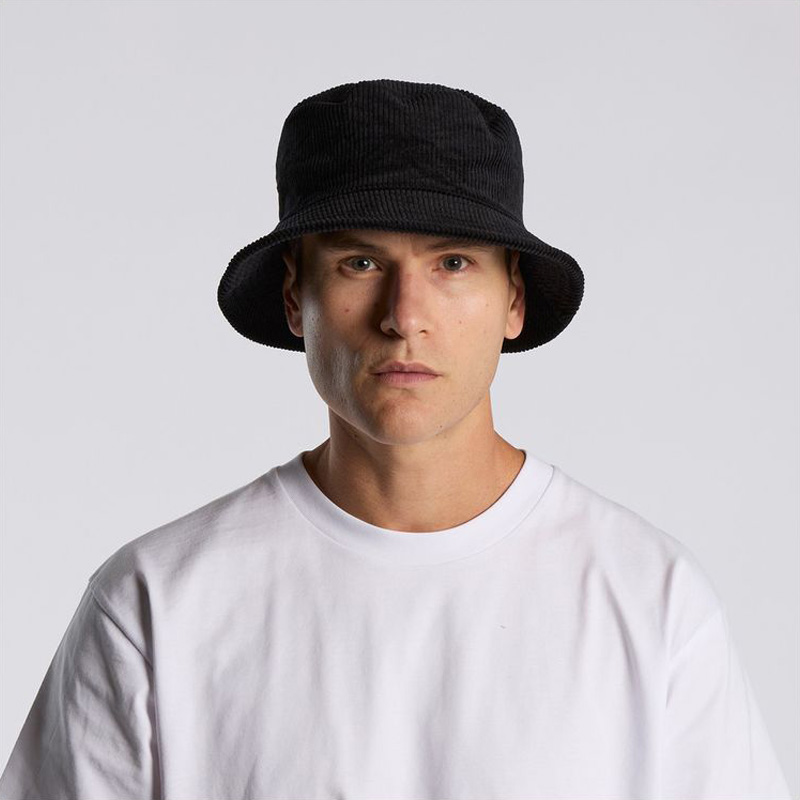
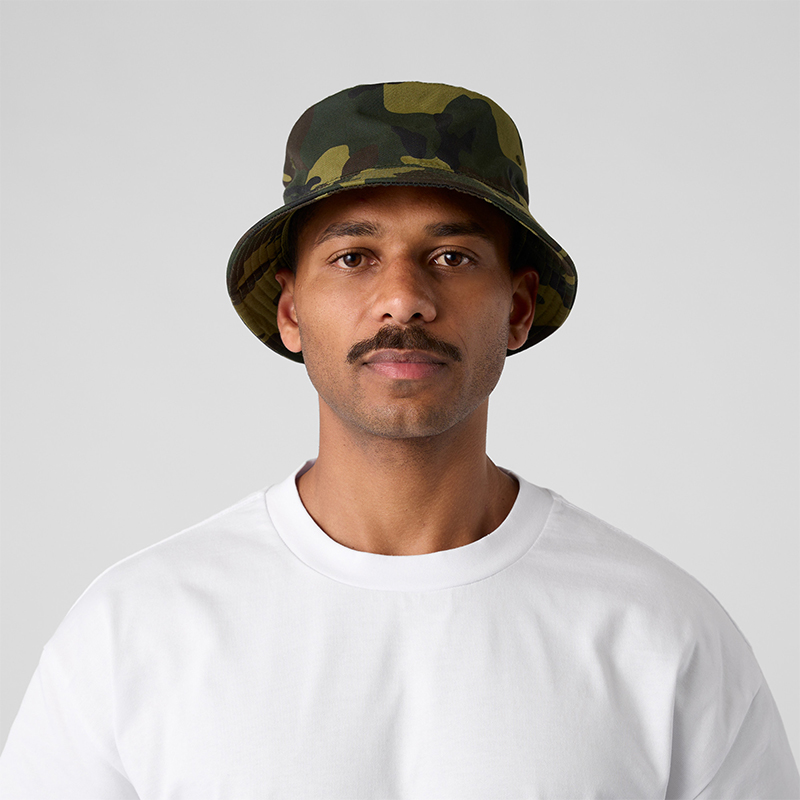
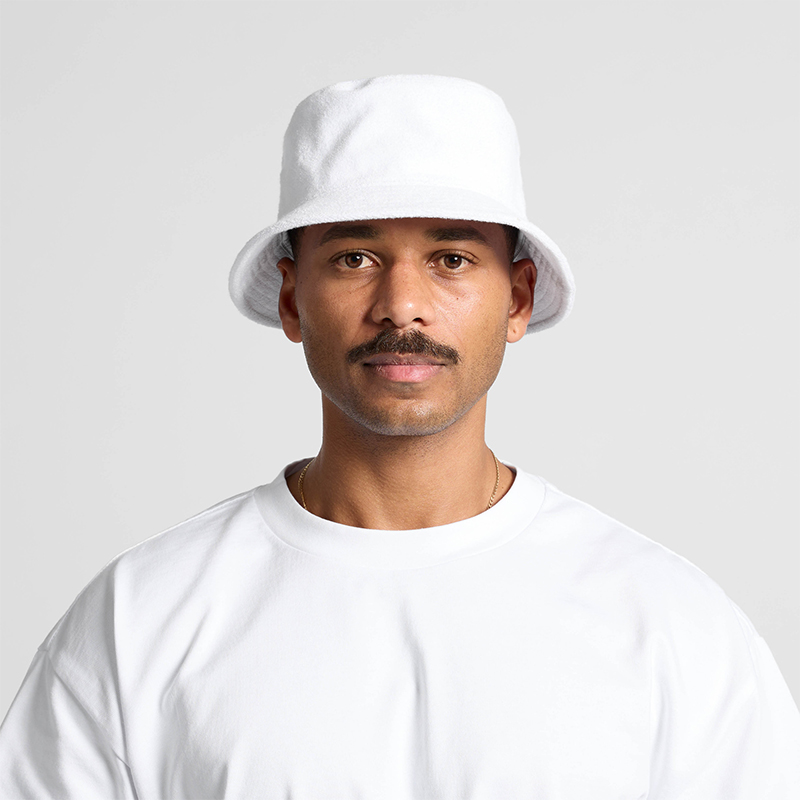
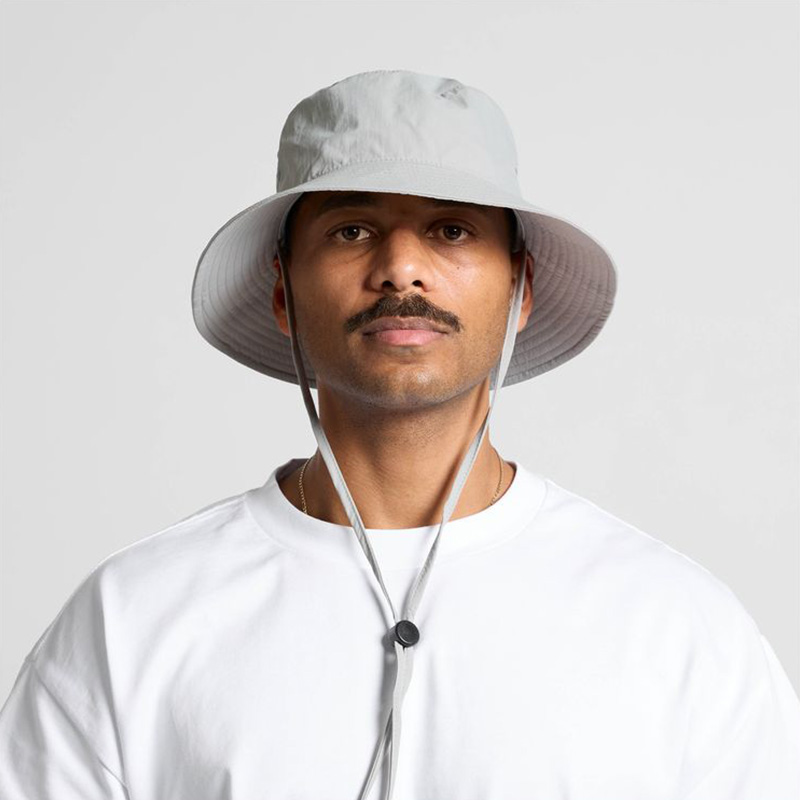
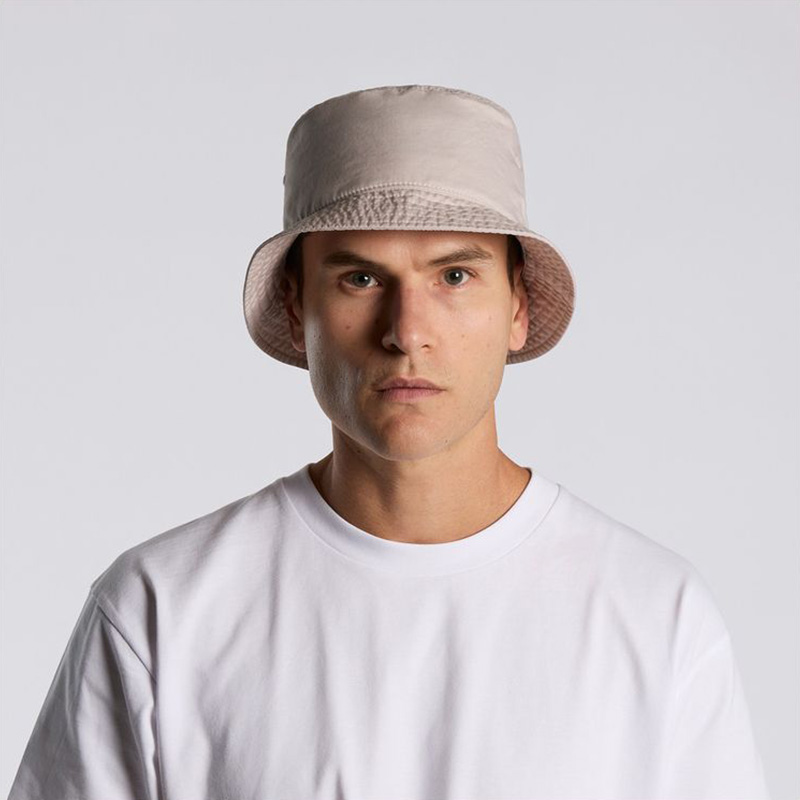


Corduroy caps use a ribbed fabric with raised parallel ridges called wales. The number and width of these ridges influence the cap’s appearance and texture.
Fine-wale corduroy has narrow ribs and a subtler finish, while wide-wale corduroy produces a more pronounced textured surface.
Cotton corduroy and cotton-blend fabrics are commonly used in six-panel and five-panel cap constructions.
Compared with smooth nylon or lightweight polyester, corduroy generally creates a softer, more textured look and can feel warmer depending on its thickness.
For spring, lighter-weight corduroy in cream, tan, sage or muted blue provides a seasonal alternative to heavier winter headwear.
Embroidery works on many corduroy caps, but small lettering and fine details require careful assessment because stitches can sink into the raised fabric texture.
Spring 2026 Hat Style Comparison
| Hat style | Common materials | Crown construction | Main advantage |
| Dad cap | Cotton twill, washed cotton | Low-profile, unstructured | Soft, relaxed fit |
| Five-panel cap | Cotton, nylon, recycled nylon | Five panels, variable structure | Clean front appearance |
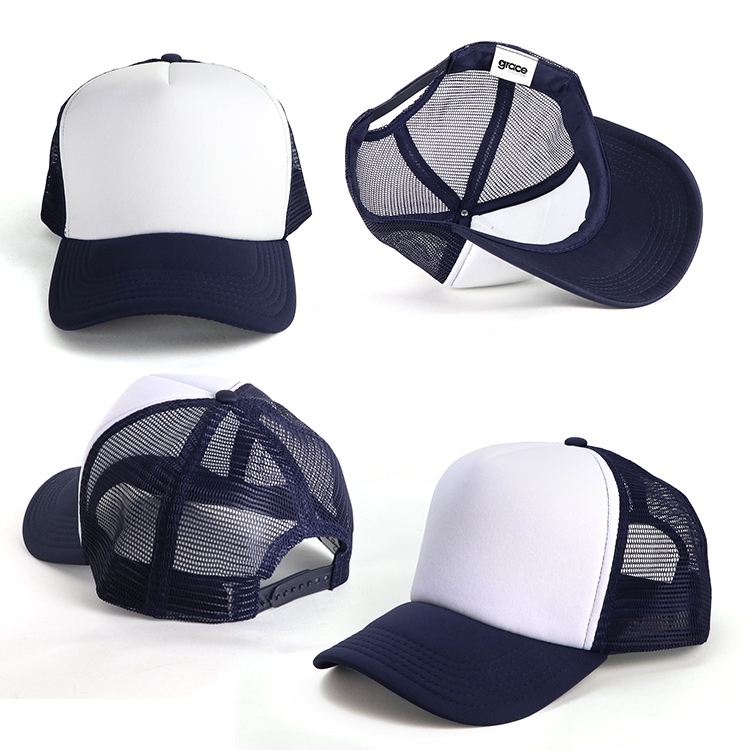
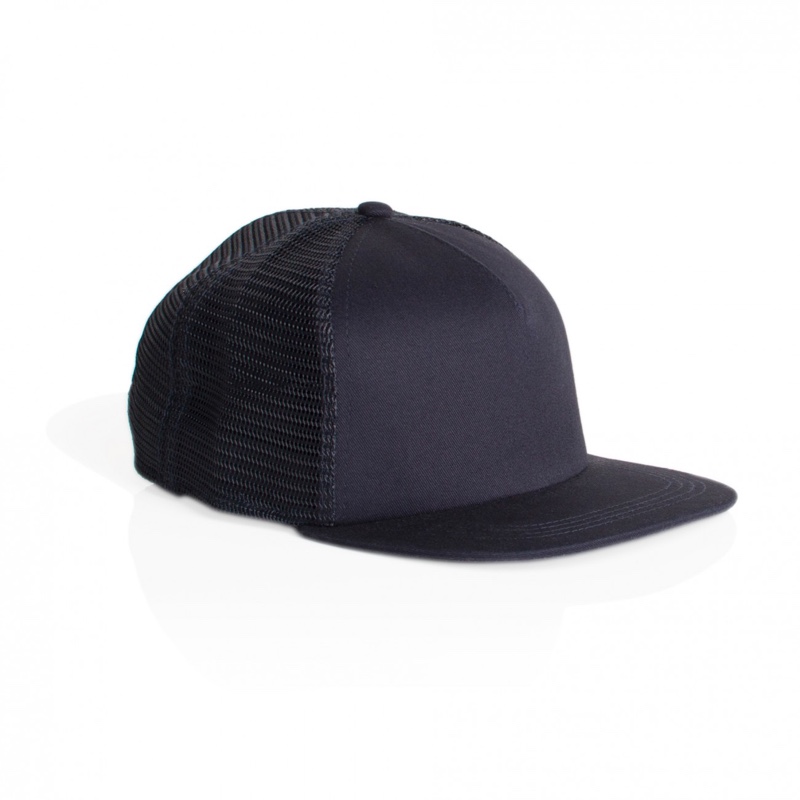
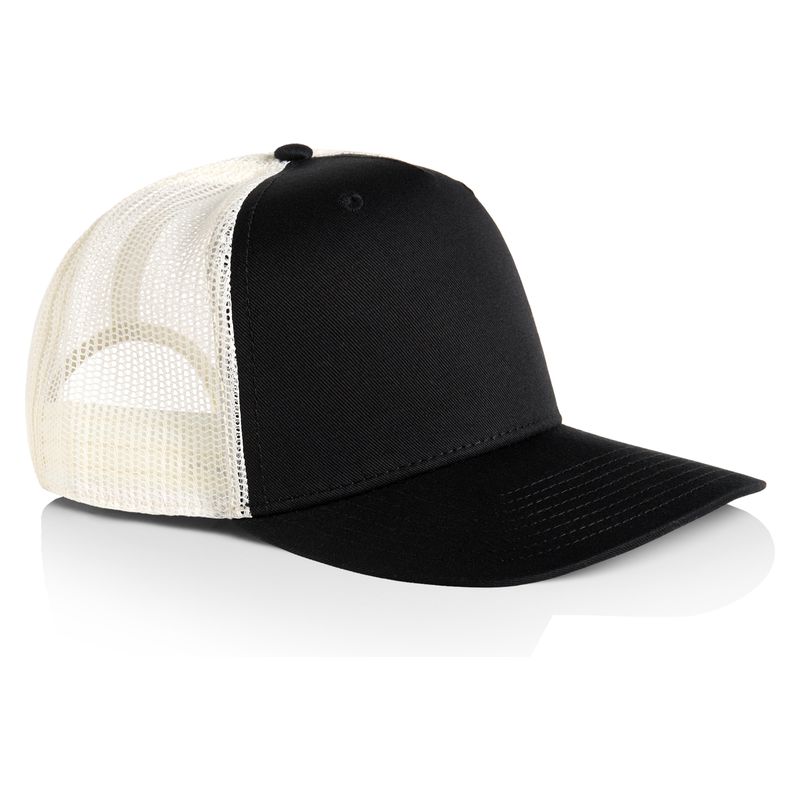
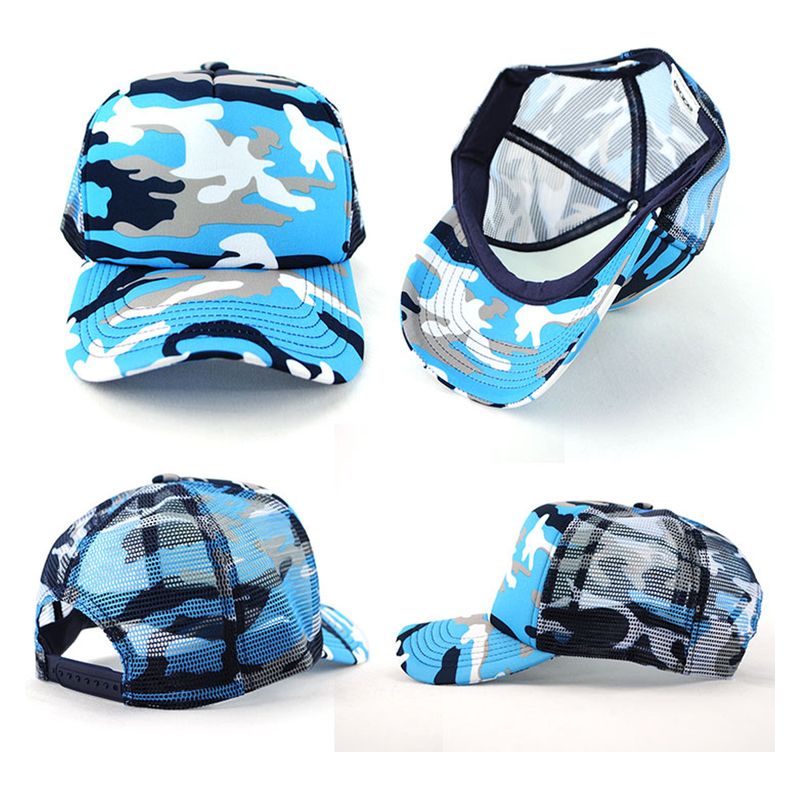
| Trucker cap | Cotton, polyester, foam and mesh | Usually structured | Additional airflow through mesh |
| Performance cap | Nylon, polyester | Lightweight, often flexible | Moisture-management features |
| Bucket hat | Cotton, canvas, nylon | Soft crown, all-round brim | More shade coverage when appropriately designed |
| Rope cap | Cotton, polyester | Often structured | Decorative rope detail |
| Corduroy cap | Cotton corduroy, blends | Five or six panels | Distinctive ribbed texture |
How to Choose the Right Hat Fit
Hat fit depends on head circumference, crown depth and closure type.
Measure around the head, approximately 1 cm above the eyebrows and ears, to determine circumference. Compare the measurement with the manufacturer’s size chart rather than relying entirely on a one-size-fits-most label.

A low-profile cap sits closer to the head, while a high-profile cap has a taller crown. A structured front maintains its shape when the cap is removed, whereas an unstructured front collapses more easily.
Common adjustment methods include snapback closures, hook-and-loop fasteners, fabric strapbacks and metal buckles.
For bulk headwear orders, adjustable caps are convenient because they accommodate a range of head sizes. However, each style still has minimum and maximum fitting dimensions.
Which Spring Hat Fabrics Are Best?
Cotton twill is well suited to everyday caps because it offers a flexible feel and a woven surface commonly used for embroidery.
Nylon is useful for lightweight, quick-drying designs, while polyester is widely used for performance headwear and moisture-management applications.
Recycled polyester and recycled nylon provide alternatives to virgin synthetic fibres. Check product specifications for the actual recycled content rather than assuming all products marketed as sustainable use 100% recycled materials.
Fabric weight may be provided in grams per square metre (GSM), but not every headwear supplier publishes this specification. A higher GSM alone does not establish better quality because weave density, fibre type, lining and construction also influence performance.
For Australian outdoor conditions, prioritise appropriate shade coverage and independently supported UPF claims over fabric composition alone.
Embroidery or Printing: Which Works Better on Hats?
Embroidery and printing produce different finishes.
Embroidery creates a stitched, textured design and is commonly used on cotton twill, canvas and structured cap fronts. It works well for logos with clear shapes and lettering large enough to remain legible.
Heat-transfer printing applies artwork to an approved fabric using heat and pressure. It can reproduce detailed, multicolour graphics, although material compatibility and application settings are critical.
Screen printing can be used on suitable flat panels or certain cap constructions, but finished curved caps present registration and handling challenges.
Sublimation printing requires appropriate polyester-based materials or coated components and is generally more practical for prepared panels than completed cotton caps.
Raised 3D puff embroidery is another option for certain structured cap styles, particularly bold lettering and uncomplicated shapes.

There is no universal logo-size limit or stitch-count maximum for every cap. Both depend on crown height, seam placement, artwork complexity and the embroidery equipment being used.
Before confirming production, request an artwork assessment showing the proposed logo dimensions, placement and decoration method.
How to Care for Your Spring Hats
Hat care depends on the fabric, internal reinforcement and decorative finish.
Check the manufacturer’s label before washing. Many washed cotton and structured caps benefit from gentle spot cleaning rather than machine washing, which can distort their shape.
Use a soft cloth or brush with mild cleaning solution where permitted, avoid excessive soaking and allow the hat to air dry in a well-ventilated area.
Keep caps away from high heat, particularly those containing foam components, synthetic fabrics or heat-applied designs.
For embroidered caps, avoid scrubbing directly across raised stitching.
What is the difference between a dad cap and a baseball cap?
A dad cap is a type of baseball cap that generally has a low-profile, unstructured crown and a pre-curved peak. Baseball caps are a broader category that includes structured, unstructured, flat-peak and curved-peak designs.
Are five-panel caps better for embroidery?
Five-panel caps can offer an uninterrupted front area, which can simplify logo positioning. However, embroidery quality depends on the fabric, front-panel reinforcement, seam locations and design complexity rather than panel count alone.
Are trucker hats cooler than cotton caps?
Trucker hats can provide more airflow around the sides and back because of their mesh panels. Actual comfort also depends on the front fabric, sweatband, humidity, fit and activity level.
Are baseball caps suitable for sun protection in Australia?
Baseball caps shade parts of the scalp and face but leave the ears and neck exposed. Cancer Council Australia recommends broad-brimmed, appropriately designed bucket or legionnaire-style hats for better sun protection.
Can you embroider logos on nylon caps?
Yes, some nylon caps support embroidery, including technical five-panel designs. The fabric weight, reinforcement and artwork density determine which designs can be embroidered successfully.
What information should I provide when ordering custom hats?
When requesting a custom hat quote, provide your preferred style, quantity, colour, required delivery date and logo artwork. These details help the printing team assess stock availability, decoration methods, placement and production requirements.
For custom headwear, start by deciding how the hats will be worn.
A cotton dad cap may be appropriate for everyday staff use. A performance cap could be better for a running club, while an appropriately designed bucket hat offers greater shade coverage for outdoor activities.
Next, check available colours, sizes, branding areas and decoration methods.
Garment Printing provides custom hat printing and embroidery services for businesses, clubs and organisations across Australia. Share your artwork, preferred hat style and order quantity with our team to explore available options and receive a quote.


